

Crafting Compelling Content with AI
In the ever-evolving digital marketing landscape, the demand for engaging and personalized content is at an all-time high. Crafting compelling content that resonates with diverse audiences can be daunting, but artificial intelligence (AI) advancements are revolutionizing how we approach content creation. By leveraging AI, businesses can streamline their content production processes and enhance the effectiveness and relevance of their marketing efforts.
Let's explore how AI is transforming content strategy and offering unprecedented opportunities.
##### Maximizing Content Success with AI-Powered Real-Time A/B Testing
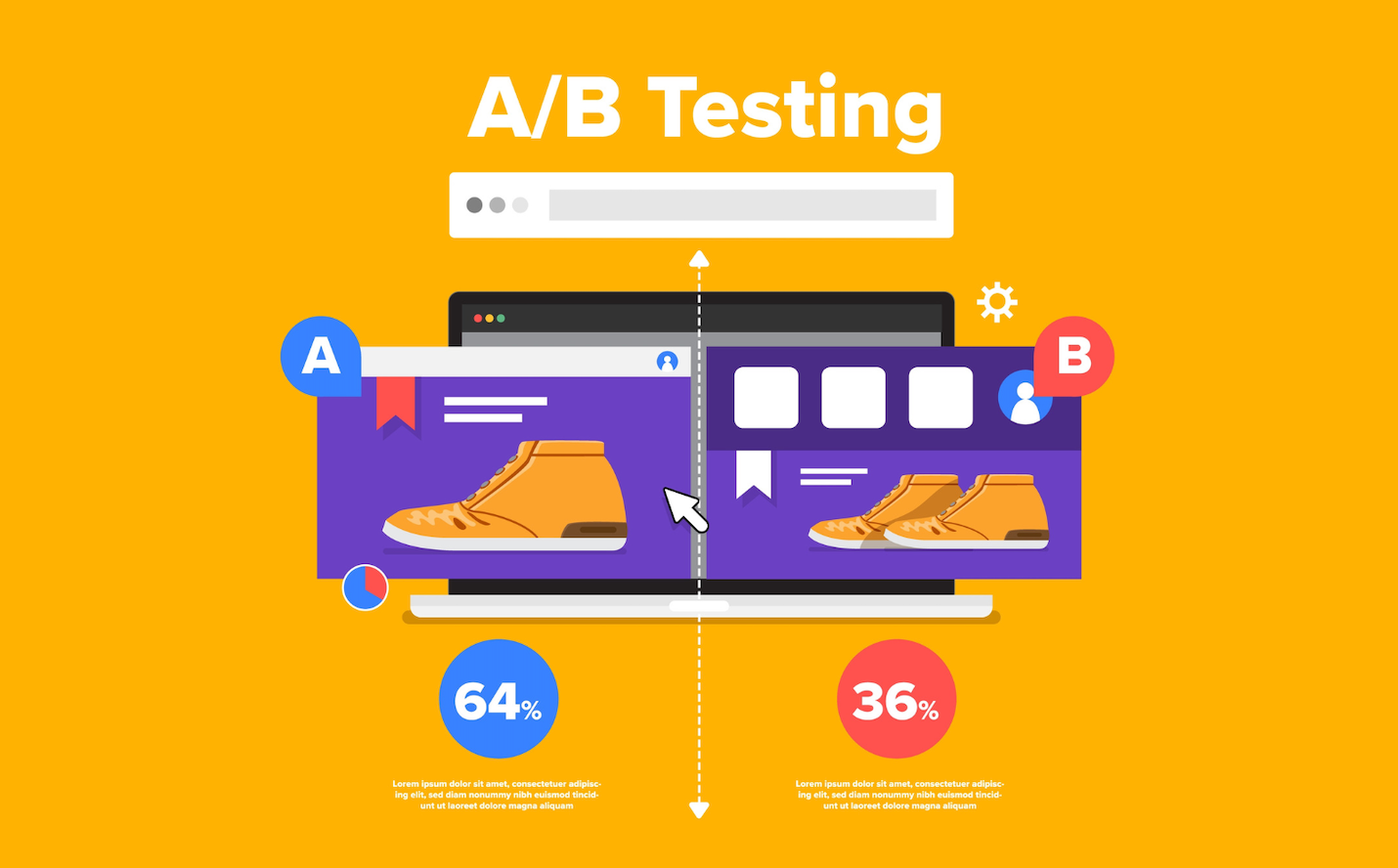
One of the most significant advantages of using AI in content creation is the ability to perform real-time A/B testing. [A/B testing](https://www.yourdigitalresource.com/post/ai-for-a-b-testing) involves comparing two versions of a marketing element (eg. landing page, email, ad, etc) to see which resonates with the target audience. The goal is to eliminate the guesswork and provide factual data that guides your marketing decisions. Rather than assuming the preferences of your audience, you know it.
 ###### [Image Source](https://www.searchenginejournal.com/ab-testing-for-amazon/491559/)
Traditional A/B testing methods can be time-consuming and may not always provide immediate insights. However, AI-powered algorithms can test and switch content in live environments, instantly identifying which variations perform best. This dynamic approach ensures that your audience is always presented with the most effective content, leading to improved engagement and higher conversion rates.
AI-powered A/B testing platforms can analyze vast amounts of data in real-time, uncovering patterns and trends that might be missed by human analysis. This in-depth analysis allows for more accurate predictions and informed decision-making.
[Benefits of A/B testing](https://www.funnelenvy.com/blog/how-ai-improves-a-b-testing/) include data-driven decisions based on real user interactions, optimized user experiences by identifying elements that resonate better with users, and increased conversion rates by identifying the most effective strategies for call-to-action buttons, form layouts, or product descriptions.
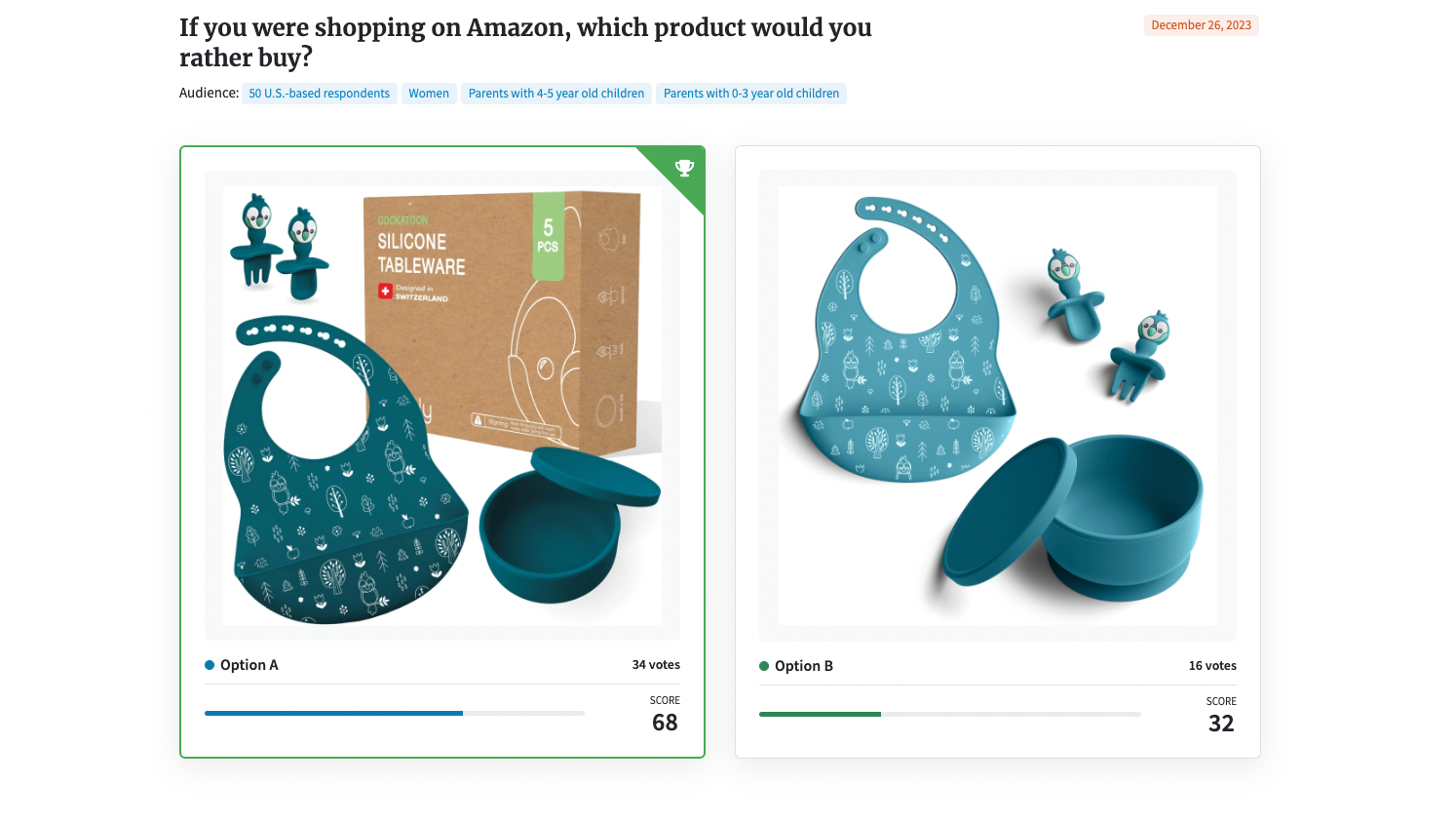
For example, [Amazon](https://www.linkedin.com/pulse/ai-ab-testing-how-artificial-intelligence-optimizes-your-mayank-deo/) leverages AI and A/B testing to personalize user experience. By continuously testing different product recommendation algorithms, Amazon can tailor its products to users' preferences, leading to higher conversion rates.
 ###### [Image Source](https://www.pickfu.com/blog/amazon-a-b-testing/)
Content creation is [crucial for A/B testing and experimentation](https://www.sitespect.com/5-areas-to-leverage-ai-in-your-ab-testing-experimentation-process/), as it directly affects variables like website elements and email campaigns. AI can enhance these efforts by generating relevant content, copy, and calls to action tailored to different audience segments. This ensures well-targeted and meaningful A/B tests for product descriptions, landing pages, email subject lines, and ad creatives.
AI tools, such as [ChatGPT, provide insights into content performance](https://www.sitespect.com/5-areas-to-leverage-ai-in-your-ab-testing-experimentation-process/) by analyzing user engagement and conversion data, helping identify trends and refine strategies. This allows you to iterate and fine-tune your content strategies for future campaigns. AI-powered tools streamline content creation and analysis, making A/B testing more data-driven, effective, and personalized.
##### Tailoring Content with AI-Powered Natural Language Generation (NLG) Tools
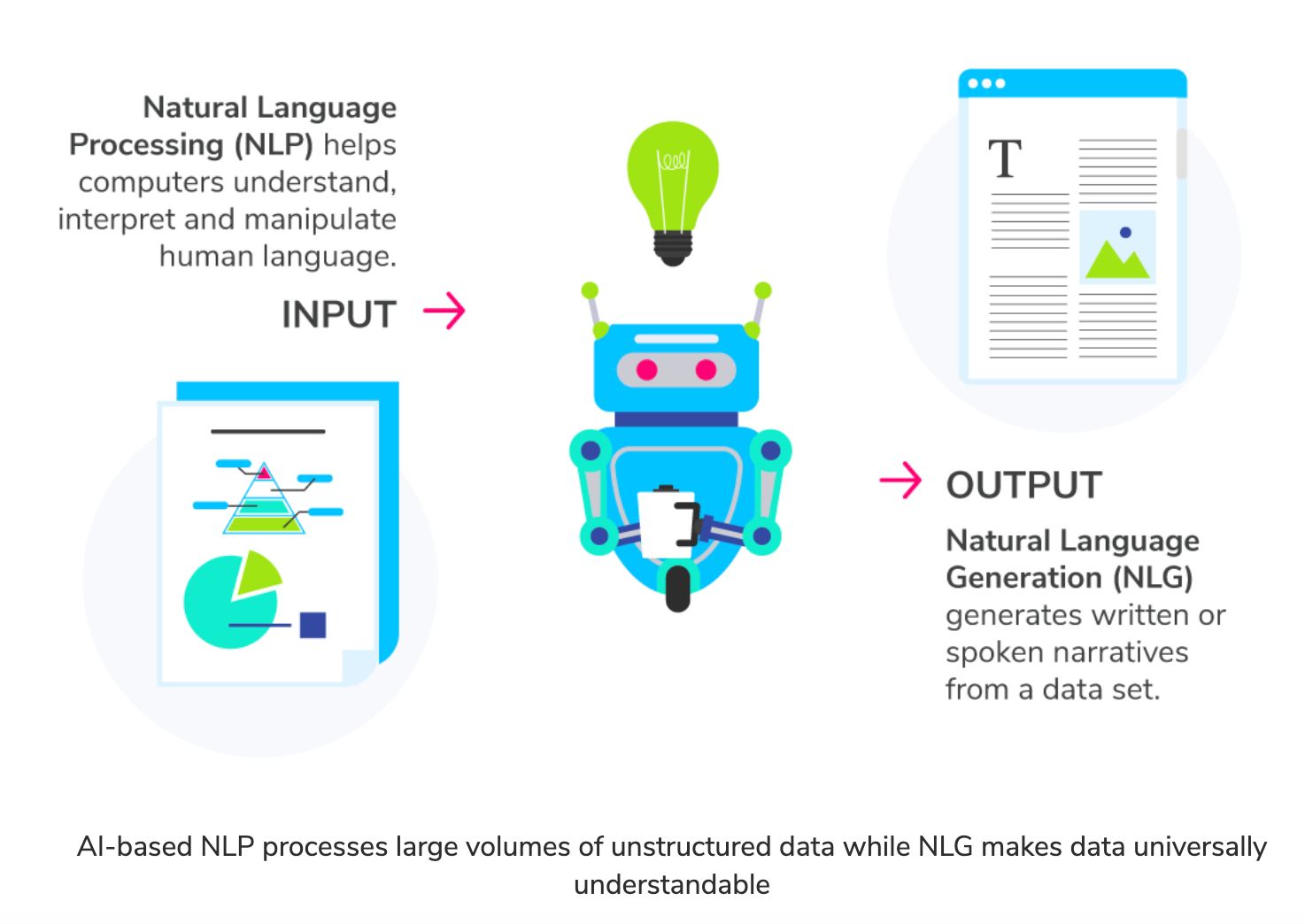
In the realm of digital marketing, speed and relevance are paramount. Natural Language Generation (NLG) tools, powered by AI, are [revolutionizing how businesses create content](https://www.linkedin.com/advice/1/how-can-you-use-ai-technologies-enhance-your-content-gzqce).
These tools can transform data, keywords, or concepts into natural-sounding text that aligns with your brand's tone, style, and voice. Whether it's crafting headlines, summaries, product descriptions, or even blog posts, NLG tools streamline the content creation process, allowing marketers to generate high-quality, contextually relevant content rapidly.
 ###### [Image Source](https://www.contentserv.com/blog/automated-text-generation-is-powering-content-creation)
[One of the standout features](https://fastercapital.com/topics/the-rise-of-natural-language-generation-(nlg)-systems.html) of NLG tools is their ability to personalize content for different customer segments. By analyzing user data such as preferences, demographics, and behaviors, NLG systems can generate tailored narratives that resonate deeply with specific audience groups. This level of customization not only improves engagement but also helps in building stronger relationships with customers.
Not only do NLG tools generate large volumes of content quickly and efficiently, but they also [maintain consistency](https://fastercapital.com/topics/the-rise-of-natural-language-generation-(nlg)-systems.html) across various content pieces. They ensure that the tone, style, and messaging remain uniform, preserving the brand identity even as they produce content at scale. This scalability is crucial for businesses that need frequent content updates, such as news sites or large enterprises with diverse customer bases. By automating repetitive writing tasks, NLG tools free up time for marketers to focus on strategic planning and creative pursuits, thereby enhancing overall productivity.
Additionally, AI-powered NLG tools can optimize content for search engines and user intent. By using natural language processing (NLP) and machine learning (ML) algorithms, these tools analyze content to identify keywords, topics, sentiments, and intents, which can then be used to improve content relevance and readability. This data-driven approach ensures that content is not only engaging but also optimized for better search engine rankings, making it easier for businesses to reach their target audiences effectively.
As the digital landscape continues to evolve, [integrating NLG tools](https://libraria.ai/blog/the-future-of-content-creation-how-nlg-is-shaping-new-narratives/) into content strategies enables marketers to streamline their workflows, personalize content at scale, and enhance the quality and effectiveness of their narratives.
##### Enhancing Personalization with AI-Driven Chatbots
Nowadays, customers want more than just the product or service they’re looking for – they want the [brand to personally tailor to their needs and feel aligned with their lifestyle and values](https://www.rightsideup.com/blog/chatbots-personalize-customer-experience).
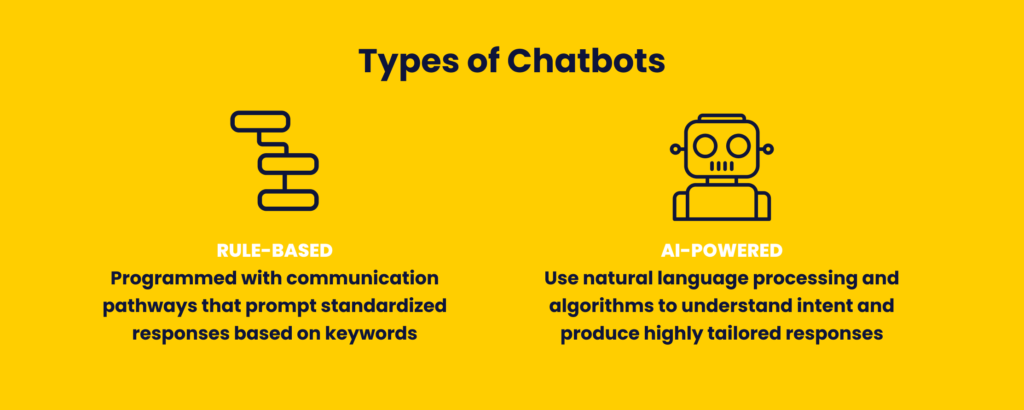
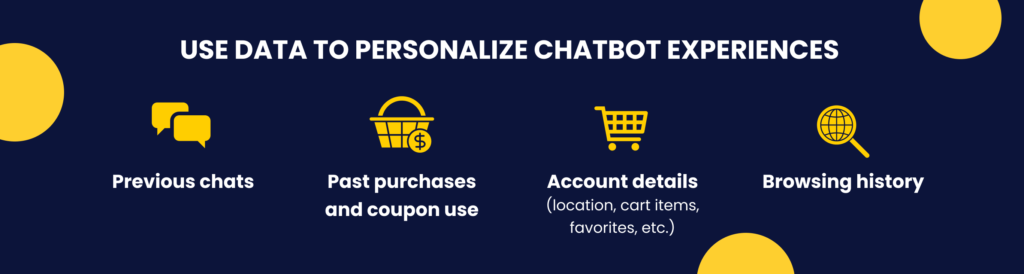
AI-driven chatbots are transforming the way businesses interact with customers, offering increasingly personalized experiences over time. These chatbots leverage natural language processing (NLP), natural language understanding (NLU), and natural language generation (NLG) to engage in meaningful, [human-like conversations](https://www.linkedin.com/pulse/ai-chatbots-rise-personalization-jordy-smit/). By analyzing customer data in real-time, AI chatbots can provide tailored responses, recommendations, and promotions that align with individual preferences, [enhancing the overall customer experience and boosting satisfaction](https://www.rightsideup.com/blog/chatbots-personalize-customer-experience).
 ###### [Image Source](https://www.rightsideup.com/blog/chatbots-personalize-customer-experience)
The ability of AI-driven chatbots to learn from interactions allows them to continually improve their performance. Each customer interaction provides valuable data that the chatbot uses to refine its understanding of user behavior and preferences. This ongoing learning process enables the chatbot to offer more accurate and relevant responses, making each engagement more personalized than the last.
For instance, an e-commerce chatbot can use previous purchase history and browsing behavior to suggest products that a customer is likely to be interested in, driving higher conversion rates.
 ###### [Image Source](https://www.rightsideup.com/blog/chatbots-personalize-customer-experience)
Beyond personalization, AI chatbots also help businesses save on operational costs by reducing the need for human customer support. They can handle a wide range of tasks, from answering common queries and providing product information to processing orders and reservations. This not only frees up human resources for more complex issues but also ensures that customers receive timely assistance around the clock. The market for chatbots is growing rapidly, with the global market expected to reach [$9.4 billion by 2024](https://www.linkedin.com/pulse/ai-chatbots-rise-personalization-jordy-smit/), reflecting their increasing adoption across various industries.
Moreover, AI chatbots enhance customer loyalty by delivering consistent and high-quality interactions. Studies have shown that personalized experiences significantly impact [customer satisfaction and loyalty](https://www.linkedin.com/pulse/ai-chatbots-rise-personalization-jordy-smit/). Chatbots can maintain a consistent tone and style across all interactions, reinforcing the brand’s identity and values. They can also address customers by name and offer personalized content, creating a sense of being understood and valued. As chatbots continue to evolve, their ability to provide highly personalized and engaging experiences will only increase, making them an indispensable tool for modern businesses.
Incorporating AI-driven chatbots into your marketing strategy not only streamlines customer engagement but also provides a competitive edge. These chatbots can be [deployed across various platforms](https://www.emarketer.com/insights/chatbot-market-stats-trends/), including websites, apps, and social media, ensuring a seamless and integrated customer experience. By using AI to analyze and understand customer data, chatbots can deliver tailored content that resonates with users, ultimately leading to higher engagement and loyalty. As the digital landscape becomes more competitive, leveraging AI-driven chatbots for personalization is key to staying ahead and meeting the evolving needs of your customers.
##### Conclusion AI is undeniably transforming the content creation landscape, offering unprecedented opportunities for personalization, efficiency, and data-driven decision-making. By leveraging real-time A/B testing, advanced NLG tools, and AI-driven chatbots, businesses can revolutionize their content strategies and deliver compelling experiences to their audiences.
With the right approach, AI can be a powerful ally in crafting content that truly resonates with your audience. Businesses can optimize their marketing strategies and deliver highly personalized and engaging customer experiences, ultimately leading to improved conversion rates and overall business growth.
About the author
Chiara Squillantini
Creative Director
Chiara Squillantini is the Creative Director at Otis AI, where she has been shaping branding and marketing strategies since August 2020, ensuring consistency across Otis AI’s marketing efforts. She holds a background in copywriting, marketing research, and brand management from Ace Saatchi & Saatchi, Royce Agency, and Unilever Philippines, respectively. She is passionate about digital marketing and technology and likes to share insights on digital marketing trends through blog articles and press releases for Otis AI.