

Leveraging AI to Understand Your Audience
##### Significance of customers to a business:
Many have heard the phrase, “[the customer is always right](https://www.forbes.com/sites/forbesbusinesscouncil/2023/01/25/is-the-customer-always-right/?sh=5c32775f1729)”, which is a phrase that suggests that businesses should prioritize customer satisfaction to ensure that their customers are happy.
Why? Because customers are the foundation of any successful business. They are the lifeline of businesses because they drive revenue and without them, businesses can not thrive.
Therefore, it is important to identify who your customers or potential customers are and understand what they want in order to generate sales and survive.
##### 1. Analyzing customer data with machine learning
[Machine learning](https://www.ironhack.com/us/blog/the-role-of-machine-learning-in-data-analysis) (ML) is a subset of artificial intelligence (AI) that utilizes algorithms to break down vast amounts of data. With this data, computers can effectively learn and make predictions or decisions without being programmed.
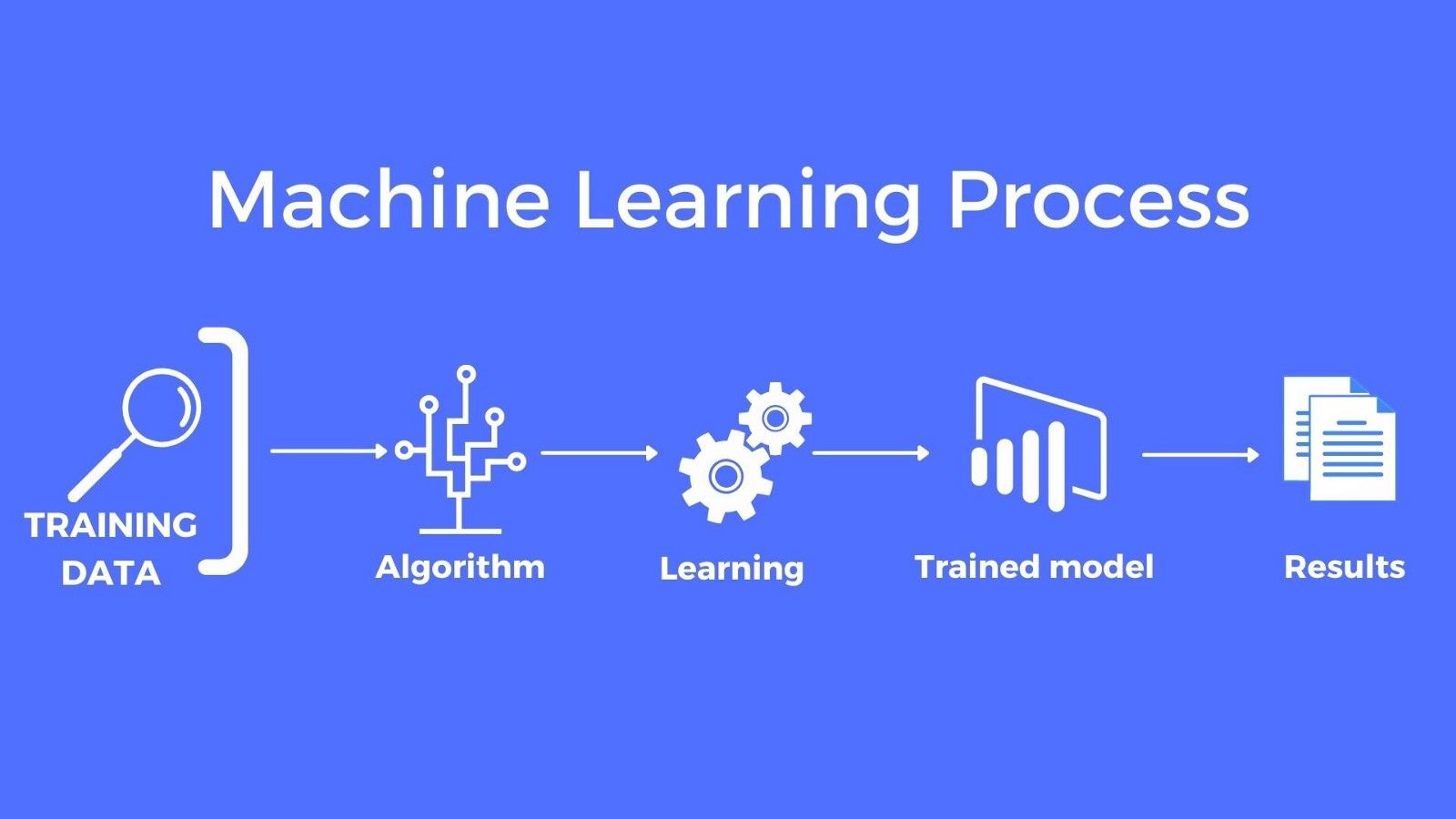 ###### [Source](https://mapendo.co/blog/training-data-the-milestone-of-machine-learning)
ML is used to automate the data analysis process and improves workflow in order to dive into more holistic insights. This data-driven process not only helps with decision-making, but also offers valuable insights and recommendations to help companies achieve a competitive advantage.
[These](https://www.ironhack.com/us/blog/the-role-of-machine-learning-in-data-analysis) are ways machine learning enhances data analysis: - -Recognizing patterns: Identifying patterns and generating hypotheses of large, complex data sets. - -Predictive analytics: Make accurate predictions based on historical data. This helps mitigate risks, forecast trends and outcomes, and make more proactive decisions. - -Algorithms and automation: Help automate repetitive data analysis tasks, making the process more time efficient. - -Detecting anomalies: Can detect and correct errors, remove outliers, add missing values, and merge distinct data sets. - -Communicating findings: Can provide enhanced data visualization to create more dynamic and interactive representations of data. - -Data segmentation: Segmenting data into specific groups based on similarities and patterns in the data.
With ML capabilities, businesses can evaluate millions of data points efficiently and more accurately than human analysis, while being able to understand patterns of consumer behavior and providing a more personalized experience for them.
##### 2. Predictive analytics for actionable insights
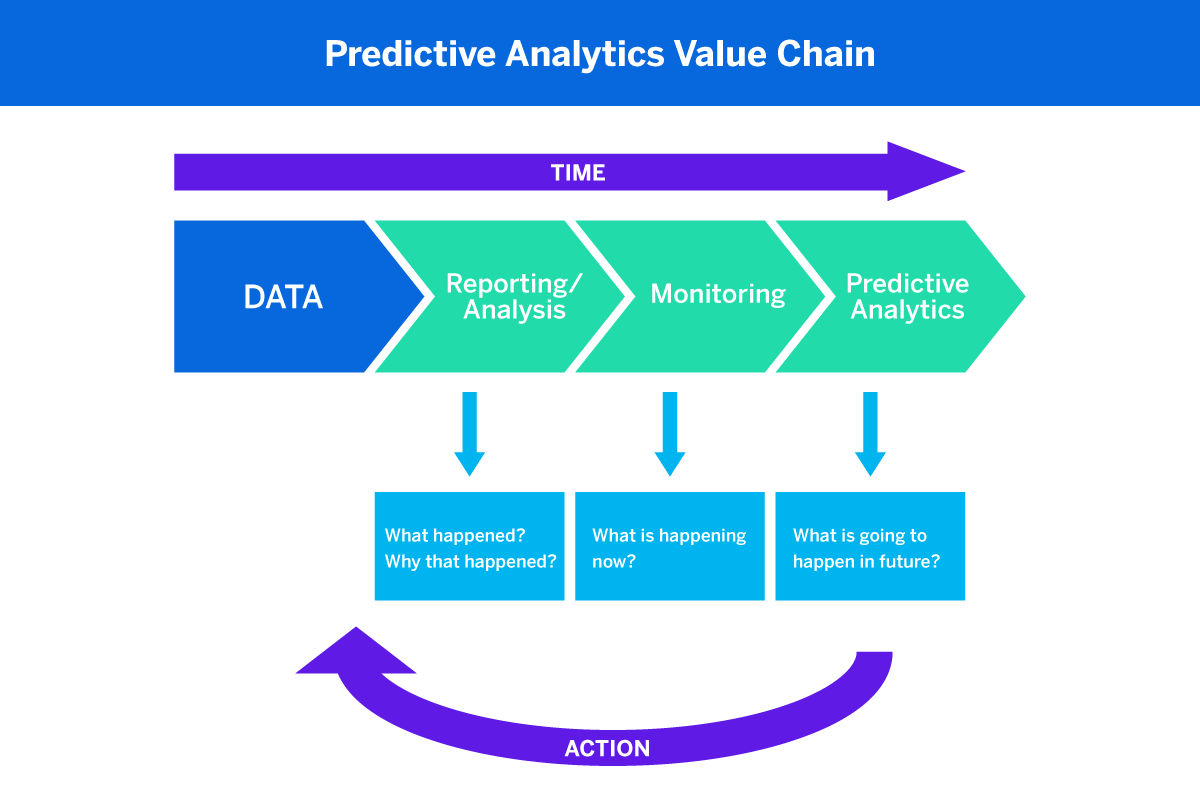
As mentioned above, predictive analysis is a technique that allows the AI to learn and identify patterns in the data to generate future predictions and outcomes. It uses input data to generate output. For example, using 20 years of historical sales data (input) can be used to predict fourth quarter sales for next year (output).
 ###### [Source](https://www.qualtrics.com/experience-management/research/predictive-analytics/)
This can be very useful for businesses as it allows them to predict sales and forecast trends to capitalize on opportunities or even detect potential issues that may arise. Thus, predictive analysis is integral, not only to produce actionable insights, but also for [reporting](https://www.linkedin.com/pulse/predictive-analytics-leveraging-ai-ml-technologies-transform-/).
Businesses can get many [benefits](https://www.linkedin.com/pulse/predictive-analytics-leveraging-ai-ml-technologies-transform-/) from the use of AI for predictive analytics, such as: - -Gain a detailed view of past and present consumers behavior - -Quickly detect which customers are likely to buy - -Optimizes marketing campaigns to target specific customers - -Detects trends and patterns in demand for your product and services - -Proactive risk management - -Helps build more refined strategies to maximize returns - -Give company a competitive advantage
AI has evolved predictive analytics by making it more powerful and effective for businesses. It has increased the speed in analyzing large volumes of data, accuracy, and providing predictions to make more data-driven decisions.
Being able to spot trends and patterns hidden in the data can help businesses gain a competitive advantage, as it optimizes the overall efficiency to generate more profits.
##### 3. Creating custom audiences with first-party data integrations
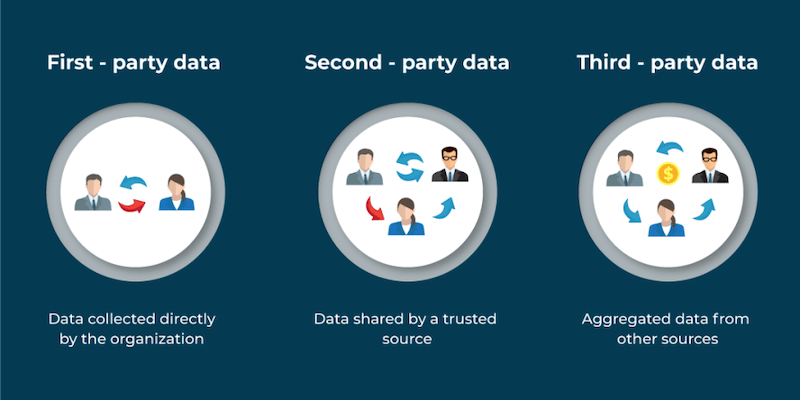
[First-party data](https://www.linkedin.com/pulse/significance-first-party-data-todays-digital-landscape-sipkus/) is information collected directly from your audience or customers, such as website visitors, email list, social media engagement, and offline touchpoints. This data is unique to your business, making it accurate, valuable data that can be leveraged to create more personalized customer experiences.
 ###### [Source](https://www.wordstream.com/blog/ws/2021/04/12/first-party-data)
When used properly, brands can build direct relationships with their customers, create value, and boost their advertising performance. Some research shows that companies that use first-part data saw [2.9x](https://www.thinkwithgoogle.com/intl/en-emea/future-of-marketing/digital-transformation/sustainable-first-party-data-strategy/#:~:text=When%20used%20responsibly%2C%20first%2Dparty,and%20boost%20their%20advertising%20performance) increase in revenue and [1.5x](https://www.thinkwithgoogle.com/intl/en-emea/future-of-marketing/digital-transformation/sustainable-first-party-data-strategy/#:~:text=When%20used%20responsibly%2C%20first%2Dparty,and%20boost%20their%20advertising%20performance) increase in cost savings.
[Here](https://www.linkedin.com/pulse/significance-first-party-data-todays-digital-landscape-sipkus/) are a few ways first-party data matters: - -Enhanced personalization: The data provides a deep understanding of your individual customers and their preferences allowing businesses to create personalized marketing messages that are highly relevant to them. Tailoring to the customers specific needs and interests allows them to build stronger relationships, drive engagements, and increase conversion rates. - -Builds customer trust and transparency: By demonstrating that you handle data responsibly and use it to provide a valuable experience for your customers, you can earn their trust and gain a competitive advantage against your competitors. - -Minimizes data risks and regulations: There are many data privacy regulations with other types of data integrations, but because first-party data is data you collect, you can minimize risk of legal liability. - -Reliable insights for decision making: Provides reliable and accurate information about your customers behaviors and preferences to make business decisions. They can allocate resources effectively and optimize strategies based on identified patterns, trends, and opportunities.
Therefore, first-party data plays a very crucial role in digital marketing as it helps marketers learn about their customers and deliver custom personalized ads that they are more likely to interact with.
##### How Otis utilizes AI for customer understanding:
Leveraging customer data is one of the main sources that makes Otis run. We use first-party customer and transaction data for precise automatic targeting, online-to-offline attribution, and marketing automation.
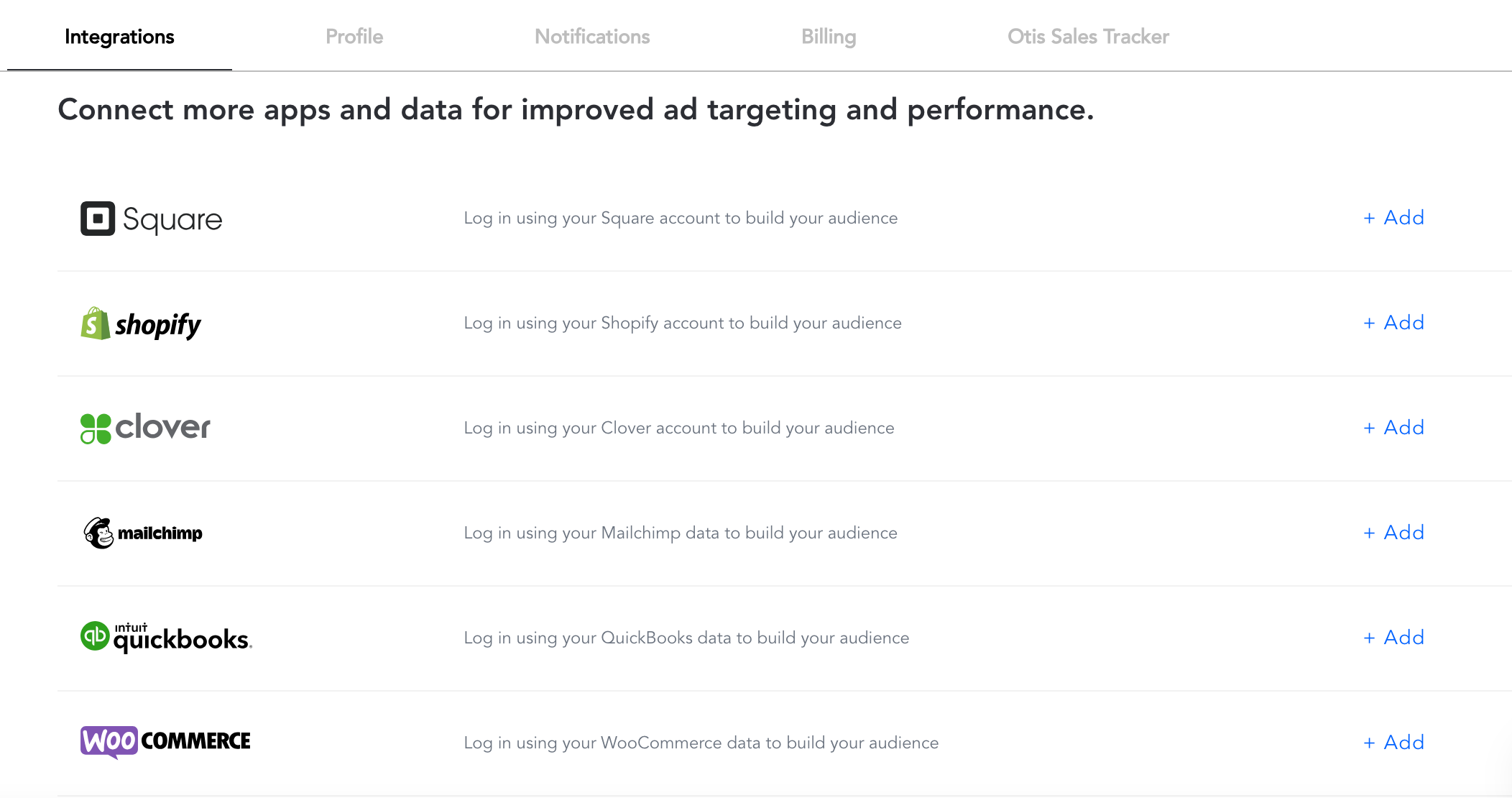
Connect your first-party data from your POS, email list, or customer list and our AI analyzes this data to ensure your ads reach the best target audience, who are most likely to engage with your business and lead to conversions. The AI automatically creates custom audience segments based on your existing data, helping expand your reach and find new customers.
While your ads are running, our AI automatically optimizes your campaigns by actively testing for strategy improvements and dynamically adjusts your budget to prioritize the channels and creatives that are performing best for your audience segment to improve performance over time. It will also provide AI-based recommendations so you can reach the right audience, the right channel, at the right time.
In addition, we recently added a few questions for existing Otis users to answer so that our AI can further understand your business and will help optimize and improve performance. Login to your Otis account, click ‘Setting’, select ‘Profile’, and answer the questions at the bottom.
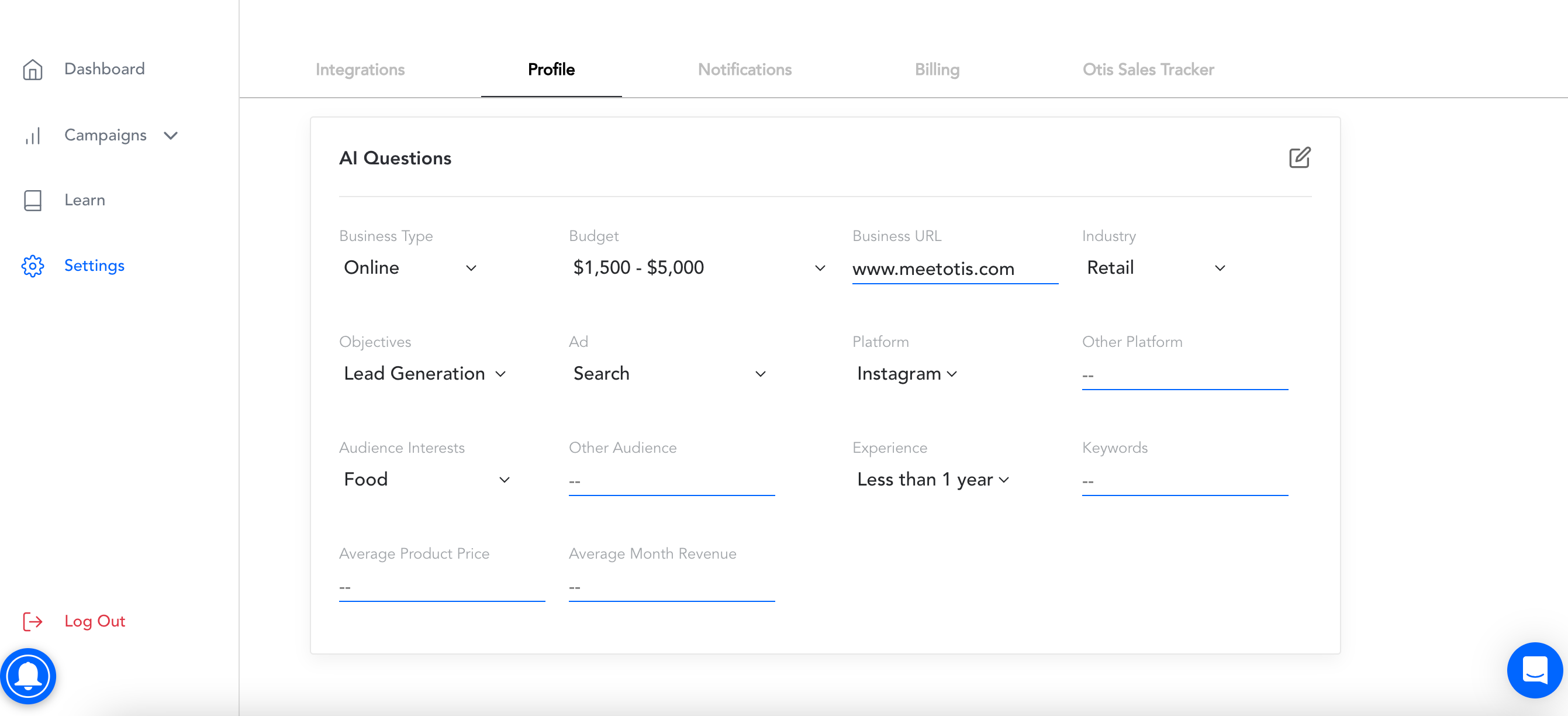
Thus, Otis heavily relies on leveraging AI and customer data to drive success of campaigns. The data is integral for our business as it helps us understand the wants and needs of our customers. By understanding their preferences and behaviors, we are able to make more informed decisions in our marketing strategies and build tailor-made ad campaigns that will most likely resonate well with a specific target audience and eventually turn into a sale.
##### Conclusion
To build on the phrase, “the customer is always right”, it's not solely about fulfilling whatever the customer asks; instead, it involves going the extra mile in understanding their underlying points of friction and enhancing their overall experience.
Understanding customers helps businesses make more informed decisions, reduce risks, identify their target market, understand customer wants and needs, and sustain a competitive advantage.
About the author
Chiara Squillantini
Creative Director
Chiara Squillantini is the Creative Director at Otis AI, where she has been shaping branding and marketing strategies since August 2020, ensuring consistency across Otis AI’s marketing efforts. She holds a background in copywriting, marketing research, and brand management from Ace Saatchi & Saatchi, Royce Agency, and Unilever Philippines, respectively. She is passionate about digital marketing and technology and likes to share insights on digital marketing trends through blog articles and press releases for Otis AI.