

The Future of Ad Targeting: Why First-Party Data Is Becoming Essential for Agencies
Have you ever downloaded a new app and, just as you’re about to start using it, a pop-up appears asking:
“Allow this app to track your activity across other companies’ apps and websites?”
For most people, the answer is simple: “Ask App Not to Track.”
## The Privacy Shift Is Reshaping Ad Targeting
What feels like a small privacy choice for users has had a massive impact on digital advertising.
[Apple’s App Tracking Transparency (ATT)](https://appsamurai.com/blog/app-tracking-transparency/#:~:text=How%20do%20users%20feel%20about,to%20opt%2Din%20for%20tracking.) framework, introduced with iOS 14, dramatically reduced the amount of third-party data available to advertisers by requiring apps to ask for explicit permission before tracking users across apps and websites.
In fact, Apple’s ATT framework reduced user tracking permissions to roughly 25% of iOS users who opted in, dramatically shrinking the amount of third-party data available to advertisers. Apple wasn’t the only change. Browsers like Safari and Firefox already block third-party cookies, and Google Chrome is in the process of phasing them out entirely.
Together, these shifts have fundamentally reshaped how digital advertising works. Remarketing audiences are smaller, attribution is less precise, and the third-party signals agencies once relied on for targeting are slowly disappearing.
For agencies managing paid media across multiple client accounts, this creates a new reality: the strategies that worked five years ago are no longer enough.
In a privacy-first advertising ecosystem, first-party data is becoming the most valuable asset agencies can use to drive performance for their clients. It’s no longer optional.
It’s quickly becoming the foundation for effective ad targeting, campaign optimization, and long-term client retention.
What Is First-Party Data in Advertising?
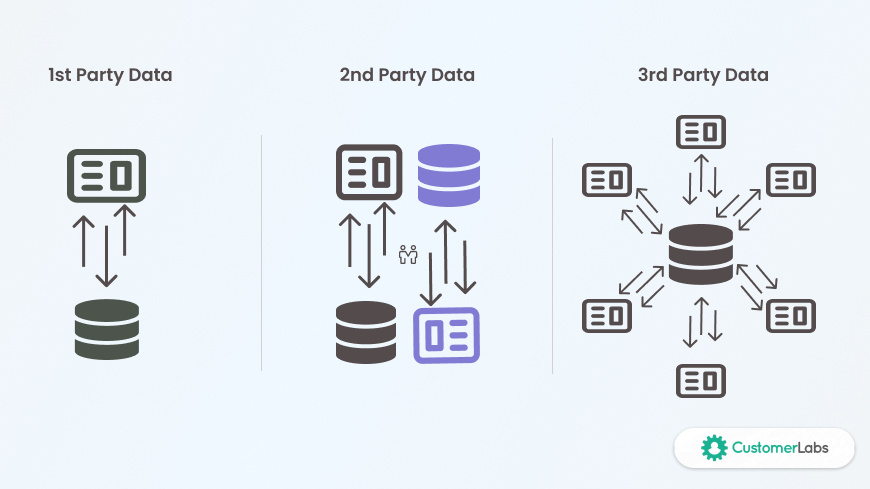 ###### ([Image source](https://www.customerlabs.com/blog/first-party-data-vs-second-party-data-vs-third-party-data/?srsltid=AfmBOoomCLSnzeKbaUU9UmJl9WLeCkTfgkL-pGqfiDu3YAxVfC1wqaW-))First-party data refers to data collected directly from a brand’s own customers and audiences.
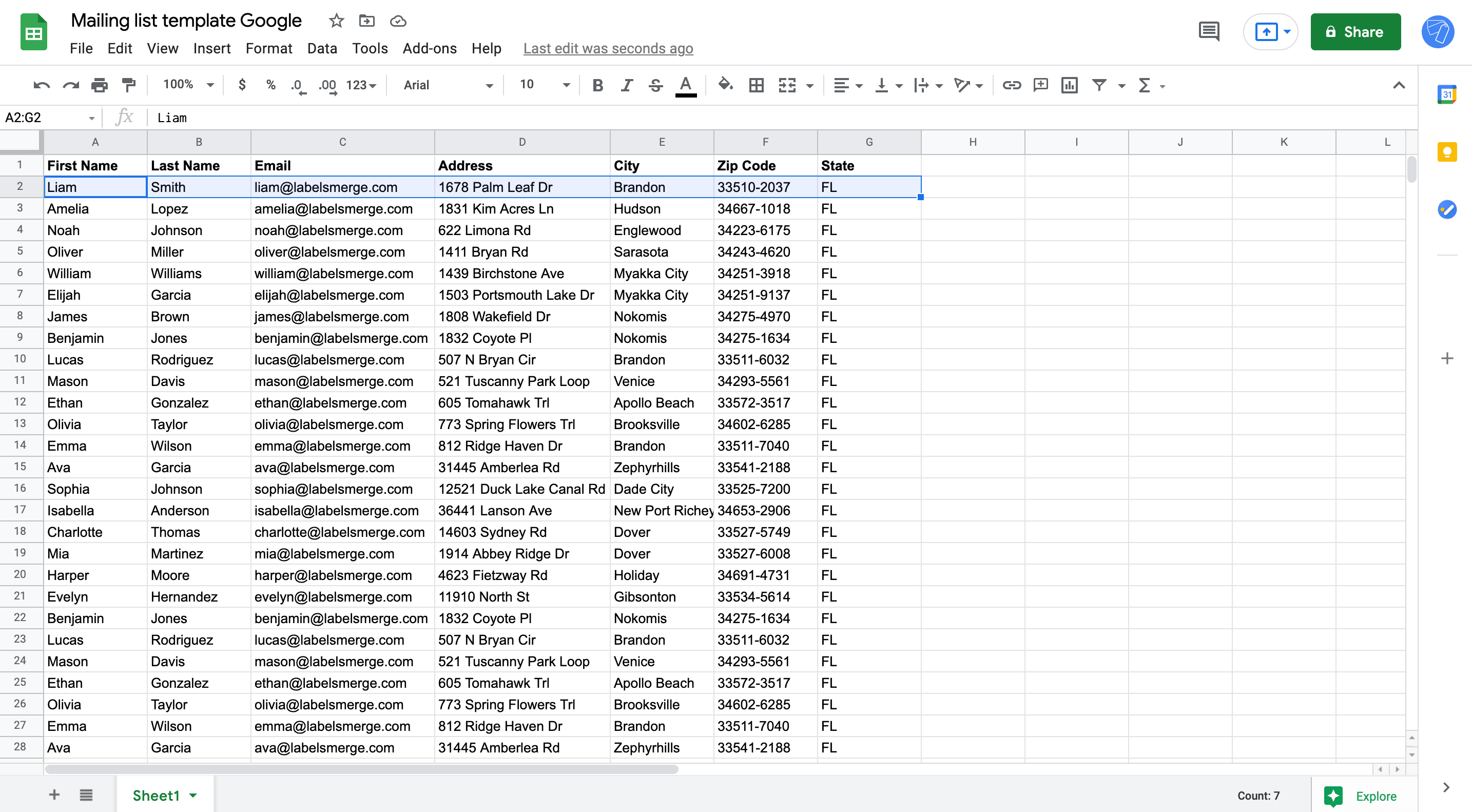
This includes information such as: - -CRM data - -Email subscriber lists - -Website behavior - -Purchase history - -App engagement - -Loyalty programs
Unlike third-party data, which is purchased or inferred by advertising platforms, first-party data is owned, consented to, and exclusive to the brand.
This distinction matters.
Third-party data is *rented* access. First-party data is a *proprietary* asset.
Because it comes directly from real customer interactions, first-party data enables: - -More accurate targeting - -Better personalization - -Improved lookalike audience modeling - -Lower wasted ad spend - -Stronger campaign performance
In practical terms, first-party data transforms anonymous audiences into identifiable, high-intent customers.
Why First-Party Data Matters for Agencies
Many businesses are still adjusting to the privacy-first advertising landscape. Agencies, however, must adapt faster.
Because agencies manage multiple client accounts simultaneously, declining data quality can quickly affect campaign performance across an entire portfolio.
First-party data offers several strategic advantages.
### Future-Proofing Advertising
First-party data does not depend on browser policies or third-party cookies.
It is a permanent asset owned by the brand.
This means it remains usable regardless of changes to: - -Browser privacy rules - -Platform tracking restrictions - -Regulatory requirements
Agencies that fail to incorporate first-party data strategies risk becoming obsolete as third-party tracking continues to decline.
Better Performance for Clients (Improved Performance & ROI)
According to a collaborative study by [Google and Boston Consulting Group](https://commercemediabrandsummit.wbresearch.com/blog/first-party-data-retail-media-success-strategy#:~:text=The%20Value%20of%20First%2DParty,and%20make%20data%2Ddriven%20decisions.), leveraging first-party data resulted in a 2.9x increase in revenue and a 1.5x decrease in costs compared to those that don't.
Because the data comes directly from real customer interactions, it enables more accurate targeting, reduces wasted ad spend, and drives better results for their clients.
Superior Targeting and Personalization: Customer data enables real segmentation based on actual behavior, allowing agencies to reach higher-intent audiences with more relevant creative.
Reduced Ad Waste: Agencies can exclude existing customers, focus on high-value prospects, and allocate budget more efficiently.
Stronger Lookalike Models: High-value customer lists can seed more accurate lookalike audiences, improving prospecting performance.
### Privacy Compliance and Client Trust
As regulations like [GDPR](https://www.customerlabs.com/blog/gdpr-impact-on-marketers/) and [CCPA](https://www.customerlabs.com/blog/ccpa-cpra-unraveling-the-mystery-in-2023/) continue to evolve, consent-based data strategies are becoming increasingly important.
First-party data allows brands to maintain: - -Regulatory compliance - -Transparent data practices - -Stronger customer trust
Agencies that implement these strategies position themselves as strategic advisors rather than just media buyers.
### Stronger Competitive Advantage
Customer data is one of the few marketing assets competitors cannot easily replicate.
Brands that build strong first-party datasets gain access to proprietary insights about: - -Purchasing behavior - -Customer lifetime value - -Audience segmentation
For agencies, helping clients leverage these insights can create a significant competitive advantage.
### Increased Efficiency with AI
High-quality first-party data is essential for training AI and machine learning models because it provides the accurate signals needed to drive smarter decisions. With access to real customer data, AI can power predictive analytics like churn detection, upsell and cross-sell opportunities, smarter budget allocation, and more effective creative optimization.
Simply put, AI is only as powerful as the data feeding it. Without first-party data, machine learning relies on incomplete signals; with it, AI becomes a powerful performance multiplier.
How Agencies Can Activate First-Party Data
Many businesses already collect first-party data through email lists, CRM systems, website interactions, and customer purchase records. But the real challenge isn’t collecting the data; it’s activating it inside advertising platforms.
###### ([Image source](https://labelsmerge.com/guides/how-to-make-mailing-list-google))
Research from [Twilio](https://www.twilio.com/en-us/press/releases/most-companies-are-already-using-ai-in-marketing-campaigns---ove#:~:text=On%20the%20topic%20of%20customer,leaving%20money%20on%20the%20table.%E2%80%9D) found that while 85% of companies collect first-party customer data, only about 40% say they are effectively using it to improve marketing performance.
This gap between data collection and activation represents a major opportunity for agencies.
Agencies can translate customer data into actionable advertising strategies by: - -Connecting CRM data to ad platforms - -Implementing server-side tracking (Conversions API) - -Building segmented audiences - -Syncing customer data across platforms - -Creating high-value lookalike audiences - -Using first-party data for retention, upsell, exclusions, and LTV targeting
How Otis Helps Agencies Turn First-Party Data Into Performance
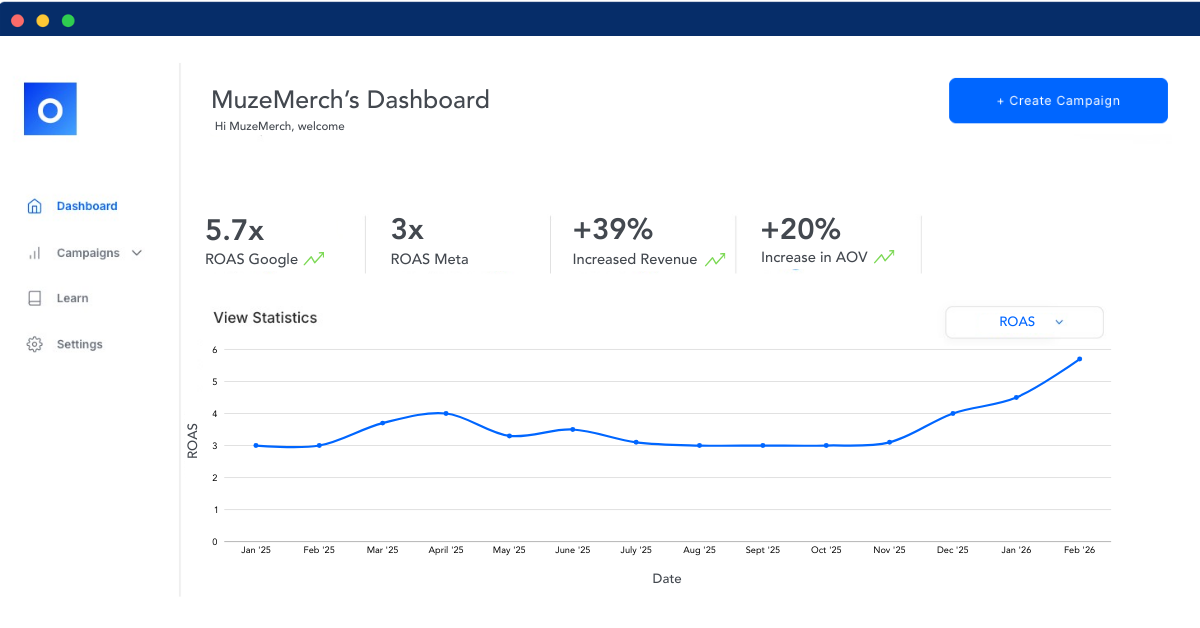While the benefits of first-party data are clear, operationalizing it across multiple clients can be difficult for agencies.
Many agencies struggle because they: - -Manage numerous client accounts - -Lack of engineering resources - -Spend significant time on manual optimization - -Struggle to implement server-side tracking for each client - -Lose margins as servicing accounts become more complex
Otis helps agencies overcome these challenges.
### Deliver White-Labeled Campaigns Across Platforms Agencies using Otis can deliver fully white-labeled performance marketing campaigns across Meta, Google, TikTok, Pinterest, LinkedIn, and more.
All under the agency’s brand.
This allows agencies to deliver sophisticated multi-platform campaigns without expanding internal resources.
### Activate First-Party Data More Efficiently 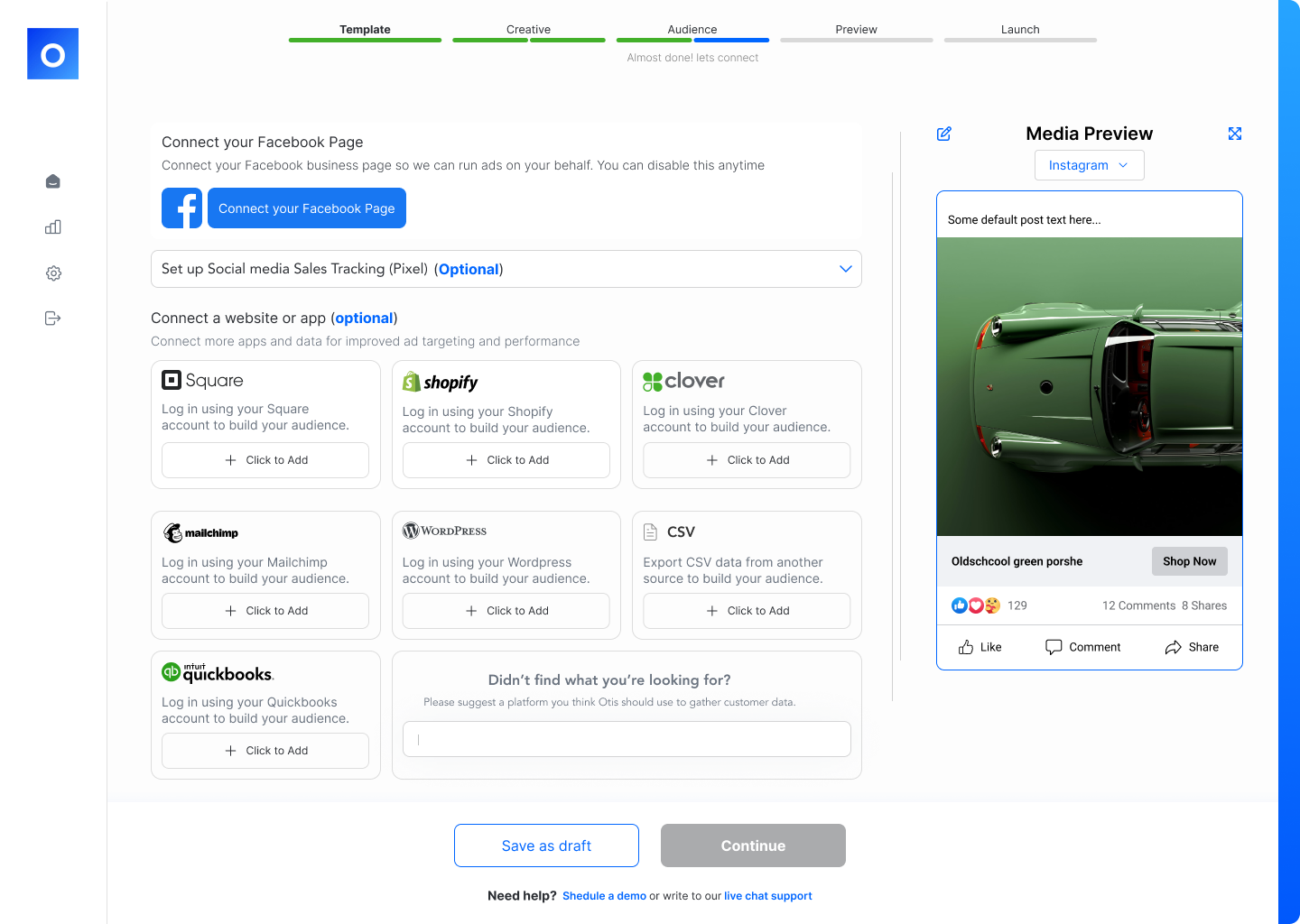
Otis helps agencies translate customer data into advertising performance by enabling them to: - -Sync first-party audiences into ad platforms - -Build high-value audience segments - -Improve lookalike modeling - -Optimize campaigns based on real customer behavior - -Improve attribution visibility across accounts
Instead of relying on broad, inferred targeting, agencies can deploy data-backed strategies across every client.
### Increase Margins Without Expanding Teams
By streamlining campaign management and optimization, Otis enables agencies to: - -Save time managing client accounts - -Increase margins through white-labeled service delivery - -Expand client capacity without hiring additional staff - -Deliver 2–3x better performance across client accounts
Because optimization is driven by first-party data signals, performance improves over time as the system learns from real customer behavior.
The result: - Greater efficiency - Stronger scalability - Improved client retention - Less operational strain
## The Future of Advertising Belongs to Agencies That Own Their Data
Privacy changes have permanently reshaped digital advertising.
Agencies that continue relying on third-party targeting will face declining data quality, weaker attribution, and rising acquisition costs.
The agencies that succeed in the next era of advertising will be those that: - -Build strategies around first-party data - -Activate customer insights across platforms - -Leverage automation and AI to optimize campaigns - -Deploy infrastructure that scales without expanding their teams
With the right systems in place, agencies can turn first-party data into a powerful competitive advantage for both their clients and their own business.
The agencies that win won’t necessarily be the ones with the biggest budgets.
They’ll be the ones with the smartest data strategies.
### Join Agencies Using Otis
Join 100+ agencies already white-labeling performance marketing delivery for their clients with Otis.
👉 [Get started here](https://intro.meetotis.com/agency-partnership/) > Fill out the form > Otis will reach out to book a strategy call.
About the author
Chiara Squillantini
Creative Director
Chiara Squillantini is the Creative Director at Otis AI, where she has been shaping branding and marketing strategies since August 2020, ensuring consistency across Otis AI’s marketing efforts. She holds a background in copywriting, marketing research, and brand management from Ace Saatchi & Saatchi, Royce Agency, and Unilever Philippines, respectively. She is passionate about digital marketing and technology and likes to share insights on digital marketing trends through blog articles and press releases for Otis AI.