

Unlocking Customer Success with AI-Powered Segmentation
##### Why one-size-fits-all doesn’t work
In an era of globalization, there is no question that the world has become more connected than ever before. People from all over the world with different cultural backgrounds, races, nationalities, and so on exist, live, and work together. While every person under the sun shares a lot of common traits, they also have many differences.
From a marketing perspective, a [one-size-fits-all approach](https://www.linkedin.com/pulse/one-size-fits-all-sales-approach-doesnt-work-jerome-adzah-mcimg-mba-1e/) is not the best way to drive maximum results for a business organization. It has become imperative that to meet the wants and needs of customers and close a deal is to have a highly customized marketing strategy. And in today’s business environment, by nature, people are individualistic and may not be as easily enticed by generic, one-size-fits-all, sales and marketing approaches.
To successfully sell to a buyer, a tailored solution to the buyer's unique needs must be met. The success of a company depends on how you present your sales and marketing approach and how the buyer receives it and takes action.
##### What is customer segmentation?
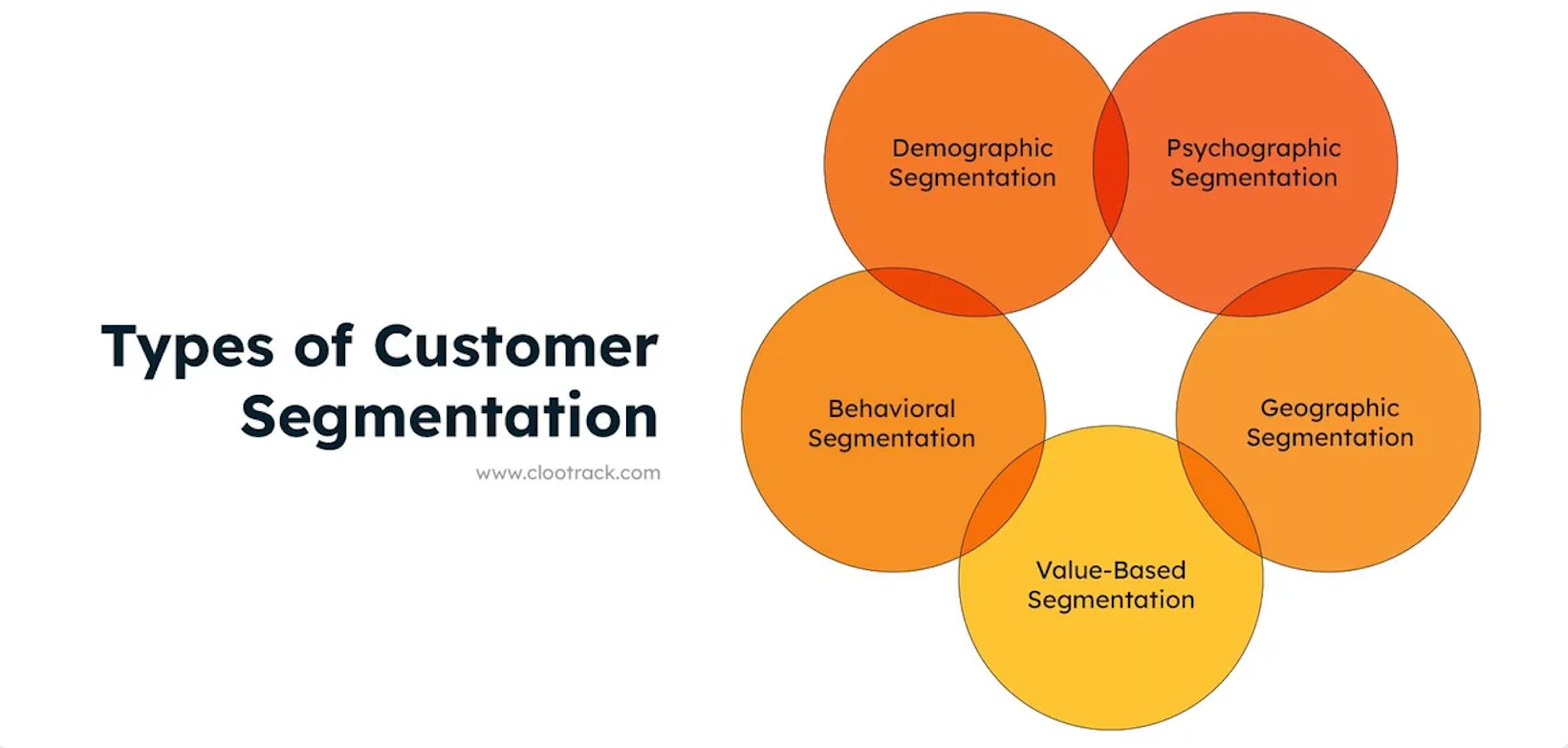
For this reason, it is integral for a business to segment its customers to customize and meet the needs of its target audience. [Customer segmentation](https://www.shopify.com/blog/what-is-customer-segmentation#:~:text=Customer%20segmentation%20is%20the%20process,Industry) is the process of dividing customers into groups based on common characteristics for the company to market each group effectively and appropriately.
 ###### [Source](https://www.clootrack.com/knowledge_base/customer-segmentation-analysis)
##### 1. Utilizing AI to dynamically segment customers rather than static customer lifecycle stages
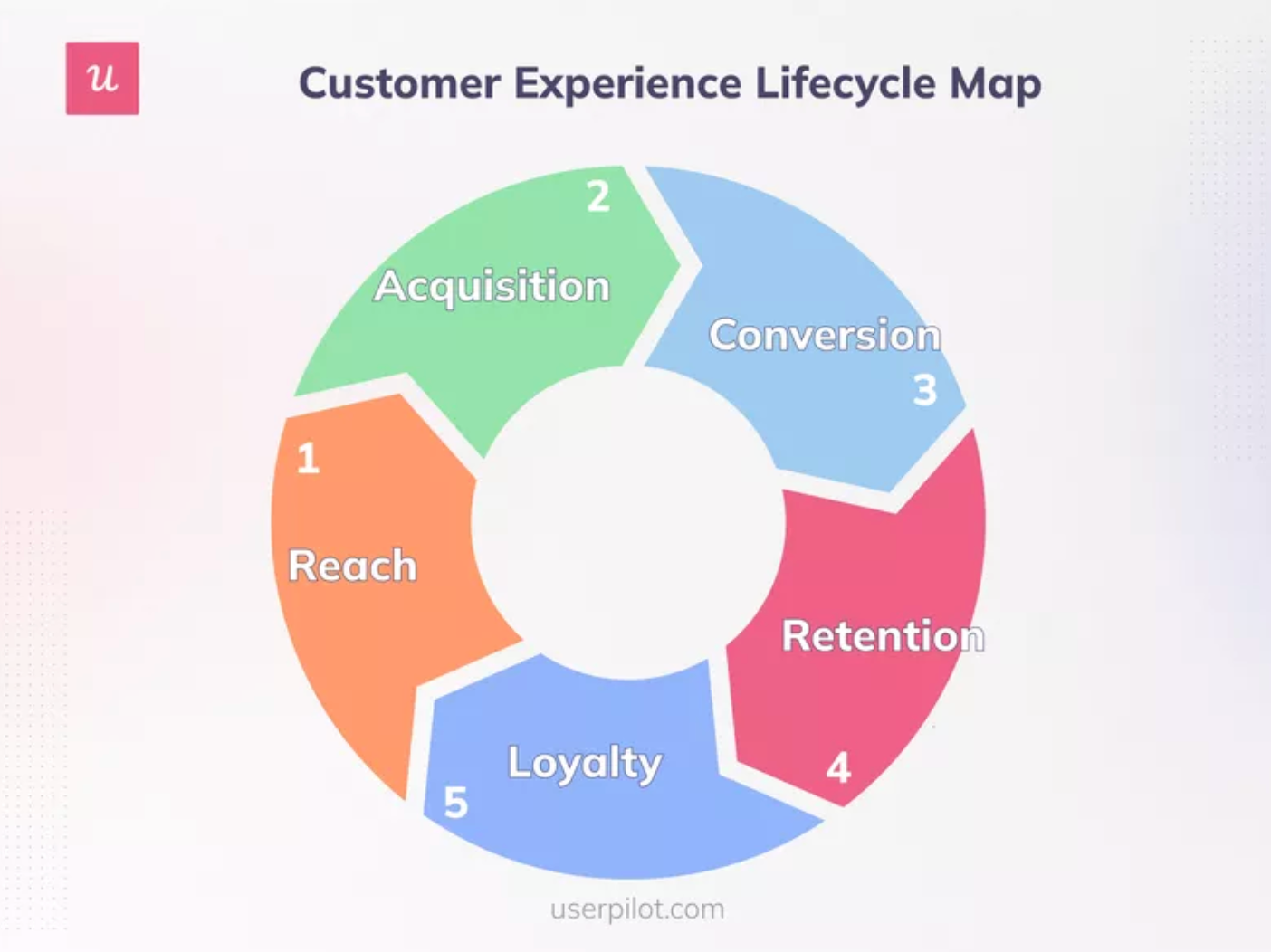
A [customer lifecycle](https://userpilot.com/blog/customer-lifecycle-segmentation-saas/) describes the journey or steps customers go through when considering, purchasing, using, and maintaining loyalty to a product or service.
###### [Source](https://userpilot.com/blog/customer-lifecycle-segmentation-saas/)
[Customer lifecycle segmentation](https://userpilot.com/blog/customer-lifecycle-segmentation-saas/) is grouping customers based on what stage in the lifecycle they are in. This helps you learn the proportion of customers at each stage and find trends in how they move between stages. There are 6 customer lifecycle segments you should cater to: - -Prospects - -Free trial users - -Paying customers - -Retained users - -Loyal users - -Churned users.
[Dynamic segmentation](https://emarsys.com/learn/glossary/dynamic-segmentation/#:~:text=Dynamic%20segmentation%20is%20a%20marketing,based%20on%20key%20customer%20behaviors.) involves dividing your customer database into different groups (segments) based on needs, interests, characteristics, and more. By utilizing audience segmentation to separate customers into distinct groups, businesses can target them more closely and effectively to increase engagement, drive personalization, and boost sales.
In a static model, a customer can be in one segment at a time, whereas in a [dynamic model](https://www.linkedin.com/pulse/static-vs-dynamic-segmentation-models-customer-success-paul-philp/), each customer can belong to different segments at the same time and can change as they make progress. Additionally, dynamic segments populate and update [in real time](https://emarsys.com/learn/glossary/dynamic-segmentation/#:~:text=Dynamic%20segmentation%20is%20a%20marketing,based%20on%20key%20customer%20behaviors) based on key customer behavior, creating [constantly changing](https://www.braze.com/resources/articles/dynamic-segmentation) groups of individuals that move in and out of the target segment as they meet (or fail to meet) the defined criteria. This helps businesses make the most out of their customers, sales, and product data as it allows for more personalized experiences for each segment.
For example, if a customer purchases your product multiple times within a set period, they could be added to a “loyal customers” segment. In addition, if a customer hasn’t purchased anything for several months, they could be automatically added into a “customer likely to churn” segment.
The Golden Rule of Accounts Segmentation is to “[focus on actions, not attributes](https://www.linkedin.com/pulse/static-vs-dynamic-segmentation-models-customer-success-paul-philp/)”. This means that it doesn’t matter what segments a customer is in if you are not able to take action to deliver value and drive adoption.
##### 2. Using machine learning for behavioral segmentation to predict future actions
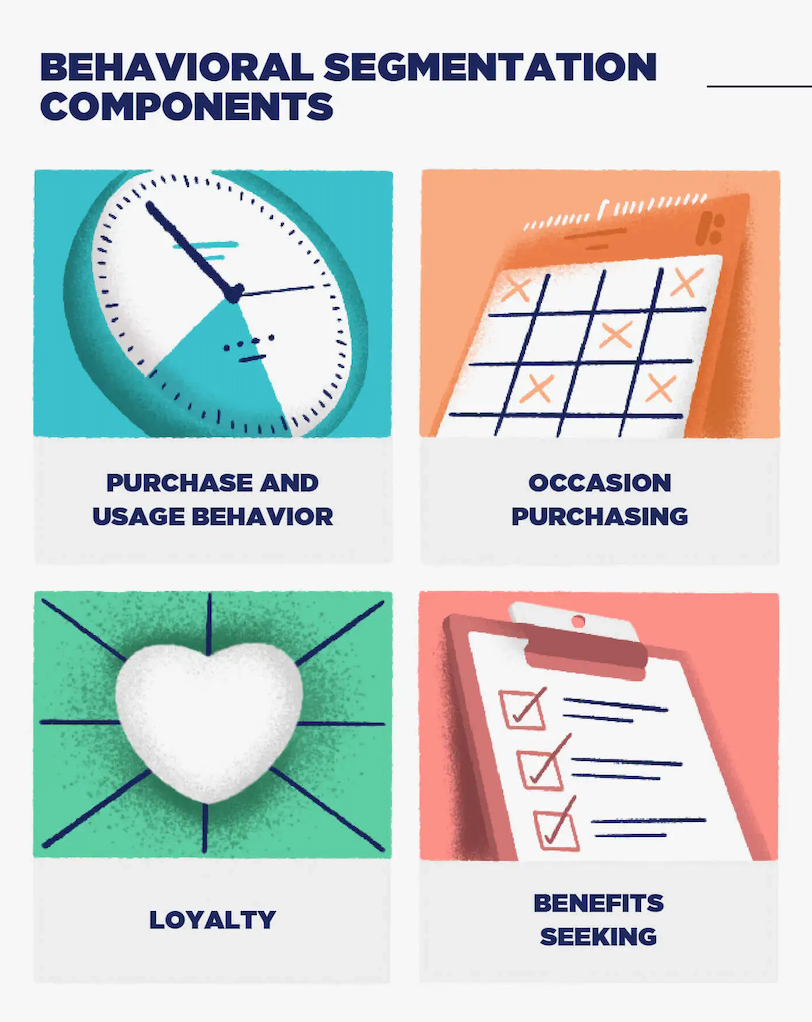
[Behavioral segmentation](https://www.impactmybiz.com/blog/what-is-behavioral-segmentation-in-marketing/) refers to sorting prospects and customers into groups based on shopping habits, interaction with your brand, and interests.
###### [Source](https://clevertap.com/blog/behavioral-segmentation/)
They can be sorted into 4 segments: - -Purchase and usage behavior: Looking at shopping habits (eg. impulsive buyer) - -Occasion purchasing: Purchasing habits related to specific occasions or events - -Benefits seeking: Product benefits (eg. convenience, affordability, status) - -Loyalty: Based on past behavior such as purchase history and level of engagement with the brand.
[80%](https://www.impactmybiz.com/blog/what-is-behavioral-segmentation-in-marketing/) of customers are more likely to do business with a company that provides personalized experiences. Behavioral segmentation is beneficial in that your business can take a more personal approach to your marketing and personalize the customer experience. You can employ machine learning to refine behavioral segmentation to predict future actions rather than recreating past ones.
Since AI can process customer data using [predictive modeling and machine learning models](https://meetotis.com/blog/leveraging-ai-to-understand-your-audience), this can help marketers identify customer trends across different variables or factors like geographic and demographic data.
Businesses can use these insights from behavioral segmentation to adjust their marketing strategy and create personalized messages that find their [target niche more effectively](https://www.verfacto.com/blog/customer-segmentation/behavioral-segmentation-marketing/#:~:text=Behavioral%20segmentation%20in%20marketing%20groups,to%20a%20service%20or%20product.).
##### 3. Leveraging AI for tailor-made marketing campaigns based on continuous learning
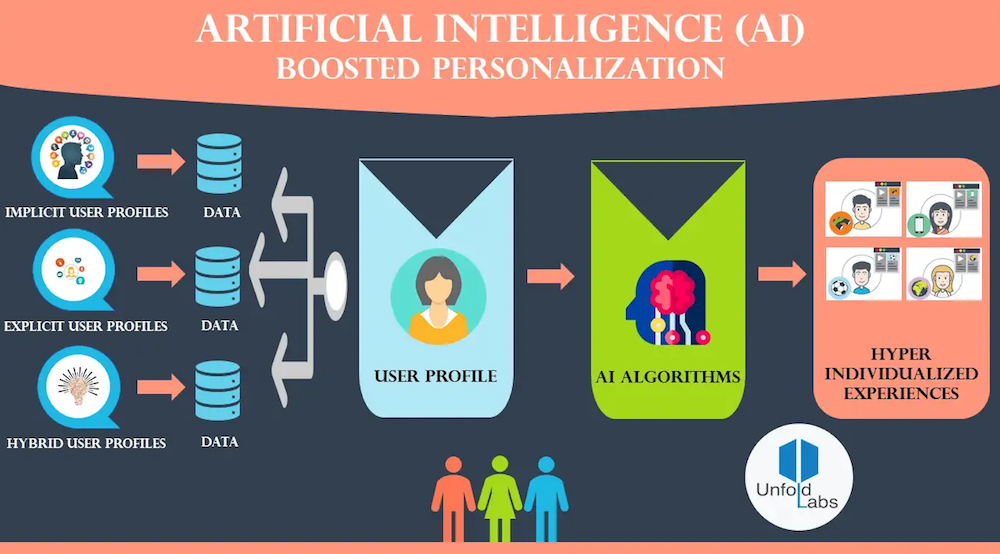
AI in marketing uses machine learning algorithms and data analytics to analyze consumer behavior and automate decision-making processes to deliver more relevant, personalized content to consumers. Personalization in marketing is critical as it leads to more [engaging and effective campaigns](https://www.linkedin.com/pulse/ai-personalized-marketing-transforming-consumer-2024-bretzfield-9xwpc/). By tailoring content to individual preferences and behaviors, your business can create more meaningful connections with your audience.
As mentioned above, audience segmentation in AI-driven marketing involves [creating customer profiles](https://www.linkedin.com/pulse/ai-personalized-marketing-transforming-consumer-2024-bretzfield-9xwpc/) based on data analysis, allowing marketers to develop highly targeted strategies for each group to ensure the content resonates with each segment's specific needs.
###### [Source](https://www.mailmodo.com/guides/ai-personalization-marketing/)
As the AI continuously learns from user interactions, this allows for dynamic content optimization. Based on ongoing engagement, the content will continuously evolve ensuring relevance and effectiveness.
##### Conclusion
In conclusion, utilizing AI for dynamic audience segmentation is very advantageous to a business as it allows you to [engage the right customers with relevant, personalized content](https://blog.hubspot.com/service/customer-segmentation), leading to higher click-through rates, conversions, sales, and customer satisfaction. In addition, this ensures that you’re optimizing your marketing spend on customers who are providing a high return on investment while lowering spend for less profitable customer segments.
With dynamic segmentation, not only will you see an increase in return on investment, brand loyalty, engagement, and relevancy, but also [reduced time investment](https://emarsys.com/learn/glossary/dynamic-segmentation/#:~:text=Dynamic%20segmentation%20is%20a%20marketing,based%20on%20key%20customer%20behaviors). Manually segmenting audiences can take up a lot of time, especially if you have large datasets but once set up, dynamic segments run in the background with minimal manual input needed, allowing businesses to focus on other important aspects of their business.
The main idea behind customer segmentation is you don’t need to advertise to every person all the time, which is why we don’t recommend a one-size-fits-all approach in marketing. Instead, deliver targeted ads to relevant audiences who will most likely do business with you so that you don’t waste time, money, or effort on those who do not see how your business can fill their need.
About the author
Chiara Squillantini
Creative Director
Chiara Squillantini is the Creative Director at Otis AI, where she has been shaping branding and marketing strategies since August 2020, ensuring consistency across Otis AI’s marketing efforts. She holds a background in copywriting, marketing research, and brand management from Ace Saatchi & Saatchi, Royce Agency, and Unilever Philippines, respectively. She is passionate about digital marketing and technology and likes to share insights on digital marketing trends through blog articles and press releases for Otis AI.