

Why smaller advertisers should focus on conversion campaign goals to drive revenue and ROI
There’s many ways a business can market their product or service to meet their marketing goals and drive return on investment. However, understanding the difference between brand marketing and conversion marketing is vital as you could waste a lot of time and money on marketing methods that might not get you your desired results.
##### Brand Marketing vs Conversion Marketing
[Brand marketing](https://webheroeshq.com/blog/awareness-marketing-vs-conversion-marketing/) is a way of creating awareness about your business and increasing your brand recognition in the marketplace. The main purpose of this type of strategy is to focus on getting more people to be aware of your product or service within a specified target audience.
While brand marketing is designed to build awareness, [conversion marketing](https://webheroeshq.com/blog/awareness-marketing-vs-conversion-marketing/) involves encouraging a target audience to perform a desired action. For example, sending visitors to a page to sign up for your newsletter or purchasing your product.
Conversion strategies are easier to measure, while branding strategies are easier to execute. However, the “success” of a campaign is more than just increasing impression or maximizing reach, which is typically the main goal to measure success in a branding campaign.
Businesses should consider focusing on having better conversion goals as they are a more effective way to advertise, measure results, analyze performance, and drive return on investment.
##### Ways Conversion Campaigns can drive revenue growth and boost ROI
The purpose of digital marketing is to [maximize conversions](https://www.mainstreetroi.com/marketing-101-why-conversion-is-key-to-your-success/) in the most affordable and effective way possible. Would you rather get more customers on Google Ads by doubling your ad budget or just by optimizing your advertising approach? Optimizing for conversions helps you get more bang for your buck.
Conversion marketing is designed to [draw value from each interaction/visit](https://conversionsciences.com/conversion-marketing-what-it-is-and-why-you-need-it-now/). It aims to increase leads and sales by focusing on the visitor’s experience to persuade them to convert. Every time a user takes an action, you’ve made a conversion.
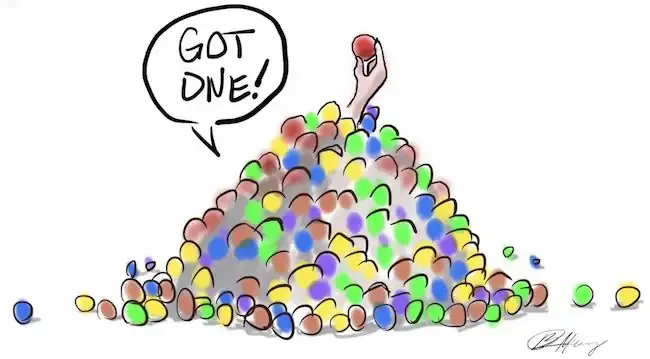 ###### If you’re struggling to convert, you don’t need more visitors. You need [more conversions](https://conversionsciences.com/conversion-marketing-what-it-is-and-why-you-need-it-now/).
1. Easier to obtain meaningful data to help guide your campaigns:
It is much easier to measure the data in conversion campaigns, making it an effective way to compare and contrast the performance of multiple advertising channels. This is beneficial in that the data can reveal which channels are most effective and advertisers can determine the effectiveness of their copy and ads to guide strategic decisions. This is immensely important when optimizing your campaigns because it indicates how profitable you are and also reveals how [visitors engage with your content](https://www.mainstreetroi.com/marketing-101-why-conversion-is-key-to-your-success/).
Your visitors speak to you through web analytics – their visits, clicks, scrolls, and other actions on your ads. Through research and analysis, you have a higher chance of creating an effective online experience because you know what your visitors want. This will help reduce lead acquisition costs and [increase the value of every visitor](https://conversionsciences.com/conversion-marketing-what-it-is-and-why-you-need-it-now/).
2. Lead nurturing & repeat customers:
Nurturing existing subscribers, leads, and customers is [5x more cost-effective](https://conversionsciences.com/conversion-marketing-what-it-is-and-why-you-need-it-now/) than going after new customers. There are many ways to continually engage with prospecting customers and guide them through the buyer’s journey. It’s important to ensure your prospecting customers are [receiving the most data-driven experience](https://www.dynamicyield.com/glossary/conversion/) possible. No matter if your goal is to cross-sell, upsell, or retargeting, conversion campaigns provide strategies for you to do that.
3. Optimize your target audiences:
Every customer is different and shouldn’t be treated the same. You can optimize the conversion path of one group, and end up annoying another. However, with conversion campaigns, you can gain a detailed understanding of specific users (just as we discussed in using the data in a meaningful way) that come to your site and optimize it to their needs.
With conversion marketing, you’re working hand in hand with [inbound visitors who are already coming to you with a need](https://umamimarketing.com/blog/the-importance-of-conversion-marketing/). It’s not about presenting the audience with a decision, instead you are helping them make the decision easy by giving compelling reasons to choose your product or service. It’s about communicating with your customers in an effective and meaningful way, and encouraging them to convert.
##### Build Conversion Campaigns with Otis
With Otis, smaller advertisers can set up their own conversion campaigns while spending their budget more effectively than other solutions and get those high returns. This is due to our AI’s ability to utilize your [first-party customer data](https://meetotis.com/blog/how-businesses-can-party-with-their-first-party-data-to-deliver-relevant-ads-to-their-customers-with-otis-ai) to form a precise audience segment (called ‘lookalike audiences’). People in a lookalike audience segment are [more likely to engage with your content and convert](https://blog.hubspot.com/marketing/facebook-lookalike-audiences#:~:text=With%20a%20lookalike%20audience%2C%20you%20can%20reach%20a%20cold%20audience,similar%20to%20your%20warm%20audiences.) as you’re reaching new customers that are similar to your existing ones, with highly targeted material. This, in turn, helps you to find high-qualified customers who would have been difficult to identify and reach.
When a business starts to bring in new prospects, the next step is to track and retarget customers that have shown an intent lead or interest in your product. Because we know their identities and they have shown interest, retarget them with ads (if you’d like to drive repeat customer engagement) or upsell them into a different offering. Continually hitting customers with sales enablement material is a great way to convince them and build trust for your solution.
[Read more about [how to reach and keep customers engaged throughout the sales process in order to drive conversions](https://meetotis.com/blog/how-to-reach-and-keep-customers-engaged-throughout-the-sales-process-in-order-to-drive-conversions) in our previous blog.]
Though it is important to think about other factors such as maximizing reach, clicks, and impressions, measuring success of a campaign is more about generating ROI. With solutions like Otis, we can help you reach the right people that will interact with your business and turn into a conversion.
About the author
Chiara Squillantini
Creative Director
Chiara Squillantini is the Creative Director at Otis AI, where she has been shaping branding and marketing strategies since August 2020, ensuring consistency across Otis AI’s marketing efforts. She holds a background in copywriting, marketing research, and brand management from Ace Saatchi & Saatchi, Royce Agency, and Unilever Philippines, respectively. She is passionate about digital marketing and technology and likes to share insights on digital marketing trends through blog articles and press releases for Otis AI.